Blog ·
Buying Land in Lamar County: Key Checks Before You Buy
Thinking about buying land in Lamar County? It can be an exciting move, but acreage deals often come with more moving parts than a typical in-town home purchase. If you want to avoid surprises with access, utilities, restrictions, or future plans for the property, a little upfront research goes a long way. This guide will walk you through the key issues to check before you buy so you can move forward with more confidence. Let’s dive in.
Why Lamar County land needs extra due diligence
Buying land in Lamar County is often different from buying a house on a city lot. With rural acreage, you may need to confirm legal access, utility availability, recorded restrictions, and whether future division of the tract would trigger platting requirements or ETJ approval.
Texas land use rules are often shaped by municipal rules, ETJ oversight, and private recorded restrictions. That means what looks simple from the road may involve title documents, survey details, and county records that deserve a closer look before closing.
Check legal access first
One of the biggest mistakes land buyers make is assuming a visible driveway means clear legal access. In Texas, easements are separate property interests, and a tract can have physical access without having the recorded legal rights you need.
A recorded express easement should appear in the title commitment and be shown on a survey. If the property is landlocked, that does not automatically mean access rights are easy to establish, since easement by necessity applies only in limited situations.
Questions to ask about access
Before you commit to a tract, make sure you verify:
- Whether the access easement is recorded
- Whether that easement benefits the exact tract you are buying
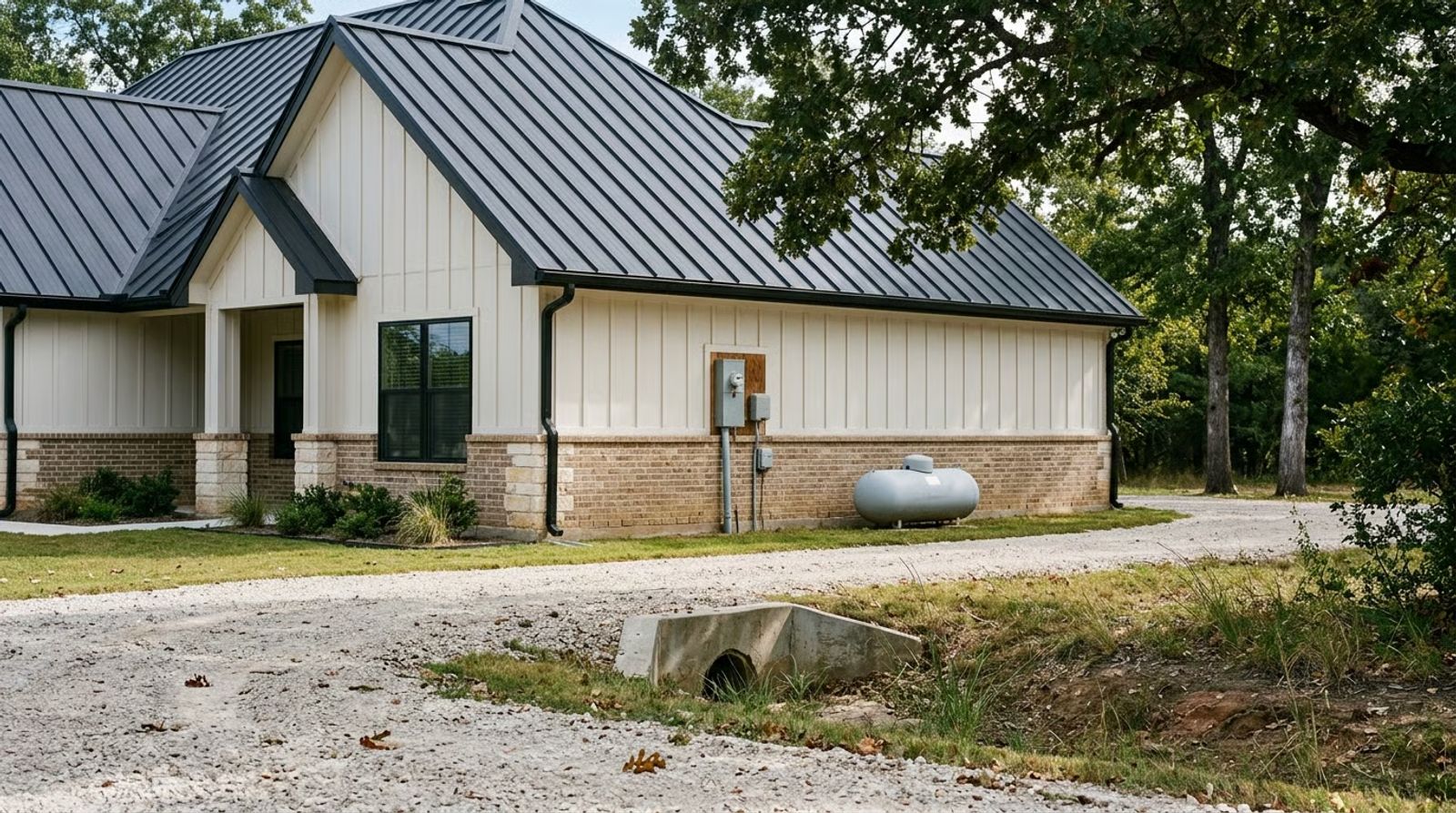
- Who maintains the road, gate, shared drive, or culvert
- Whether drainage or utility easements affect your preferred building area
Recent Texas real estate research also notes that easement disputes often involve gates, private easements, and public street dedications. That is one reason a current survey and title review matter so much in a rural transaction.
Review county records and parcel data
Lamar County gives buyers several useful tools for early research. The Lamar County Clerk provides land-records search access and a property fraud alert system, which can help you review deeds, easements, and recorded plats.
Lamar CAD also offers property search tools, tax information, and an interactive map. These records can help you cross-check parcel details, tax accounts, and general boundary information as you evaluate a property.
Local records worth checking
When you are evaluating land in Lamar County, review:
- Deeds in the county records
- Recorded easements
- Plats, if the tract has been platted
- Tax account details through Lamar CAD
- Existing parcel mapping and boundary references
These public tools do not replace a survey or title work, but they are a strong starting point for spotting issues early.
Verify utilities by exact tract
Utilities are not uniform across Lamar County, so you should never assume service is available just because another nearby property has it. The City of Paris utility information shows that water, sewer, electric, gas, internet, cable, and telephone providers can vary by location.
The City of Paris also states that it supplies water to all of the city and much of Lamar County through contracts with the Lamar County Water Supply District and the Marvin-Jennings-Clardy Water Corporation. Because service can differ from one parcel to the next, utility verification should be tied to the exact tract you plan to buy.
Utility items to confirm early
Ask about:
- Water provider availability
- Sewer or septic needs
- Electric service access
- Gas availability, if relevant
- Internet and telephone options
If your plans depend on building soon, utility questions should be part of your early due diligence, not something left for the final days before closing.
Understand deed restrictions and land use limits
Even in rural areas, private restrictions can shape what you can do with the property. Recorded deed restrictions, also called restrictive covenants, may address structure size, placement, design, or other land uses, and they can bind future owners.
This is especially important if you are buying land for a homesite, small agricultural use, or a longer-term investment. Before you close, review the title documents and any recorded restrictions carefully so your plans match what the property allows.
What restrictions may affect
Depending on the tract, recorded restrictions may address:
- Where you can place structures
- Minimum size requirements
- Design or use limitations
- Other recorded land-use rules
If a property is part of a subdivision or planned rural development, those records deserve special attention.
Know the rules if you may split the land
If you think you may divide the tract later, it is smart to ask about platting requirements up front. Lamar County’s plat filing requirements show that subdivision-related filings can involve surveyor certification, tax certificates from each taxing entity, and city approval when the land is in a city’s ETJ.
That matters because a tract that works for you today may involve more steps if your future plan is to create multiple lots. Early clarity can help you avoid buying land that does not fit your longer-term goals.
Lamar County platting details to keep in mind
According to the county’s filing requirements, plats may require:
- Original seals and signatures
- A registered professional land surveyor’s certification
- City approval if the property is in a city ETJ
- Tax certificates from each taxing entity
If dividing the property is part of your plan, this is one area where local guidance and early review can save time.
Look closely at agricultural special appraisal
Some buyers are interested in land that may qualify for agricultural, timber, or wildlife management special appraisal. The Texas Comptroller states that land must be currently devoted principally to agricultural use at a degree of intensity generally accepted in the area.
Lamar CAD also provides agricultural special appraisal information, which makes it an important local resource when you are researching tax treatment. If special appraisal is a key part of your decision, confirm the current status and requirements before closing rather than assuming the property will qualify in the future.
Invest in a current survey
A current survey is one of the most important tools in a land purchase. It can help show boundaries, easements, fences, structures, drainage features, and possible ownership conflicts that may not be obvious during a simple drive-by.
Texas real estate research warns against relying too heavily on older surveys or surveys that only address limited boundary questions. For a smoother transaction, the survey should align with the current title commitment and the parties involved in the purchase.
What a survey can help you spot
A strong, current survey may reveal:
- Recorded easements
- Fence line issues
- Encroachments or possible disputes
- Drainage features
- Building site limitations
For raw land or acreage with access questions, this step is especially valuable.
Build your local team early
Land transactions often involve a longer and more detailed due diligence period than a standard home purchase. Texas real estate research notes that due diligence can range from a few days in a house transaction to months in larger land-development situations.
That is why early conversations with your lender and your local real estate professional matter. When you line up financing and start reviewing surveys, title, utilities, and county records in the right order, you give yourself a better chance of avoiding delays and costly surprises.
A local land-focused agent can also help you connect the moving parts. That is especially useful when you are evaluating raw land, checking access, or thinking ahead to future subdivision potential.
A practical land-buying checklist
If you are buying land in Lamar County, here is a simple checklist to keep handy:
- Confirm recorded legal access
- Review the title commitment for easements and restrictions
- Order or review a current survey
- Check Lamar County Clerk records for deeds and plats
- Cross-check parcel and tax details with Lamar CAD
- Verify utility availability for the exact tract
- Ask about culvert or driveway permit needs if access improvements are planned
- Review platting and ETJ requirements if future division is possible
- Confirm agricultural special appraisal status if that matters to your budget
A land purchase can be a great opportunity, but it usually rewards buyers who slow down, ask careful questions, and verify the details before closing.
If you are considering land in Lamar County and want a practical, local guide through the process, Meagen Smith is here to help you sort through the details with clear, hands-on support.
FAQs
What should I check before buying land in Lamar County?
- You should check legal access, recorded easements, deed restrictions, utility availability, survey details, tax information, and any platting or ETJ rules that could affect your plans.
How do I verify legal access to land in Lamar County?
- Start by reviewing the title commitment and a current survey to see whether a recorded easement benefits the exact tract you want to buy.
Where can I search Lamar County land records?
- You can use the Lamar County Clerk’s land-records tools to review deeds, easements, and recorded plats, and Lamar CAD can help you cross-check parcel and tax information.
Are utilities available on every land tract in Lamar County?
- No. Utility providers and service availability can vary by parcel, so you should verify water, sewer or septic needs, electric, gas, and internet service for the exact tract.
Can deed restrictions affect rural land in Lamar County?
- Yes. Recorded deed restrictions can limit things like structure size, placement, design, and other land uses, and they may continue to apply to future owners.
What if I want to divide land later in Lamar County?
- If you may split the tract in the future, review Lamar County plat filing requirements early because subdivision-related filings can require surveyor certification, tax certificates, and ETJ approval when applicable.
Can land in Lamar County qualify for agricultural special appraisal?
- Some tracts may qualify, but the land must meet the applicable use standards, and you should verify current status and requirements through Lamar CAD and the Texas Comptroller guidance before closing.
More on this area: Lamar County, TX real estate and market data, or search Lamar County listings on the MLS.