Blog ·
Steps to Prepare Your Red River County Land for Sale
Getting land ready to sell is not just about putting up a sign and waiting for the right buyer. In a rural market like Red River County, your property needs to make sense quickly, especially online, where many buyers begin their search. If you want your land to stand out, attract serious interest, and avoid preventable delays, a little prep can go a long way. Let’s dive in.
Why land prep matters in Red River County
Red River County is a large, rural county with an estimated 11,816 residents across 1,043.9 square miles, according to the U.S. Census Bureau. With so much ground and a low population density, buyers often compare multiple tracts before deciding which ones are worth a drive.
That makes first impressions especially important. According to the National Association of Realtors 2025 buyer trends report, 43% of buyers started by looking online, 51% found the property they purchased online, and 81% said photos were the most useful website feature. For land sellers, that means your property needs clear access, strong visuals, and straightforward information from the start.
Start with cleanup and visibility
Before you think about photos or pricing, make the tract easier to understand in person. Rural buyers want to see what is usable, how they can move through the property, and what features set it apart.
A practical first step is clearing the entrance and any main drive or lane. Texas A&M AgriLife’s Owning Your Piece of Texas highlights issues like fencing, easements, water, and surface versus mineral ownership, all of which remind sellers that land value is often tied to how usable and understandable the tract feels.
Focus on what buyers can actually see
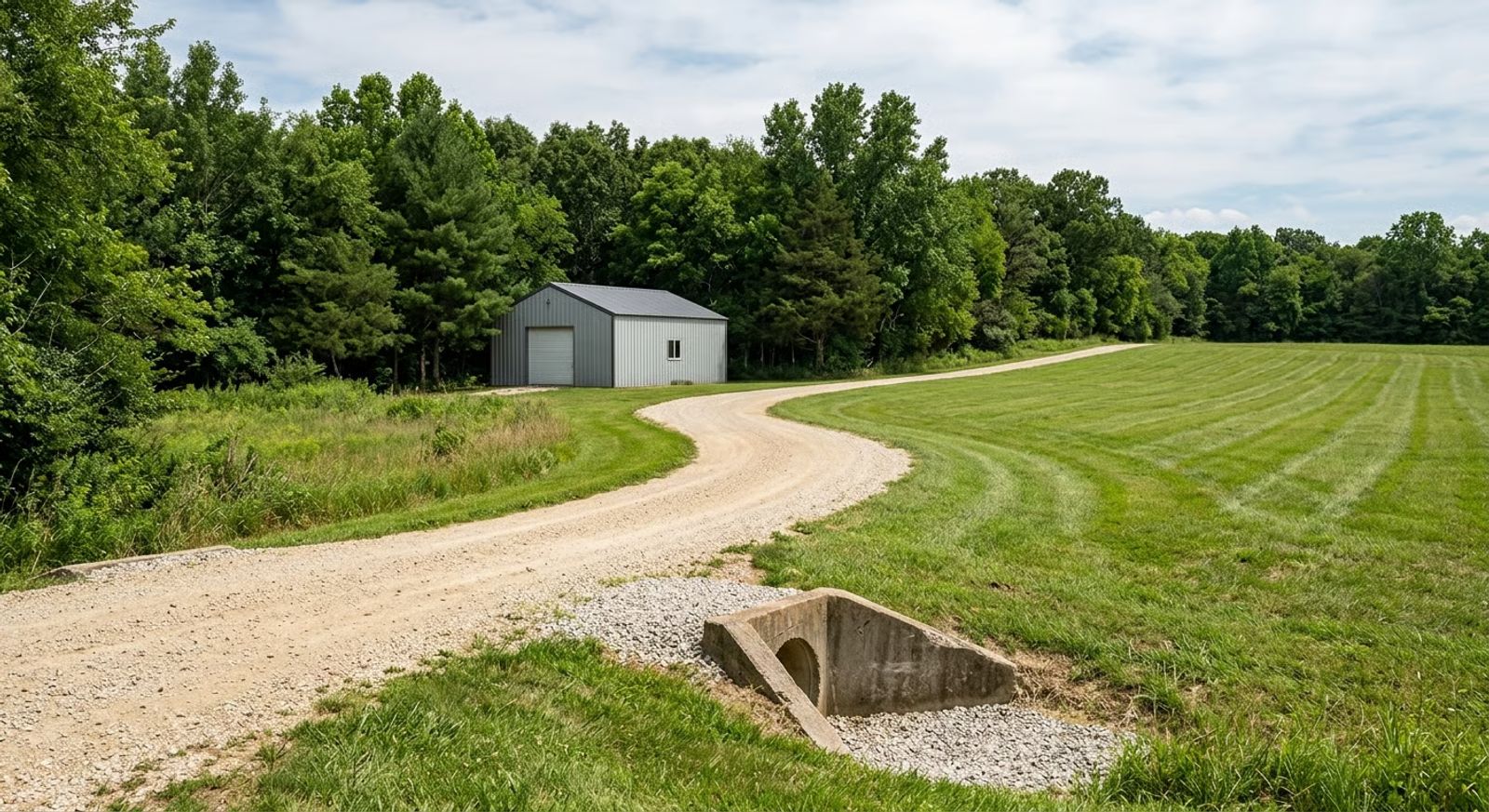
If brush hides the road frontage, fence line, or entry gate, trim it back. If there is trash, old equipment, or debris on the property, remove it if possible. If a pond, pasture, interior road, or timber area is a selling point, make sure buyers can identify it easily.
Simple improvements can make a major difference, such as:
- Mowing or clearing the entrance
- Trimming overgrowth along visible boundaries
- Removing abandoned items or scrap
- Opening up trails or interior lanes
- Making gates and access points easy to find
You do not need to over-improve raw land. You do need to make it easier for buyers to understand what they are looking at.
Verify access before you list
One of the fastest ways to lose momentum on a land sale is to leave access questions unanswered. Buyers want to know exactly how they get to the tract and whether that access is legal, recorded, and reliable.
The Texas Department of Insurance title FAQs note that title issues can include no right of access and undisclosed or unrecorded easements. That is why it is smart to confirm whether your property has direct road frontage, a recorded easement, or shared-drive access before the listing goes live.
Gather access details early
Try to have these answers ready:
- Where is the main entrance?
- Does the property have public road frontage?
- Is access provided by an easement?
- Are there shared roads or drives involved?
- Do you have any recorded paperwork showing access rights?
If there is an easement or shared access arrangement, keep that documentation handy. The more clearly you can explain access up front, the fewer surprises you are likely to face during showings, inspections, or contract negotiations.
Get your paperwork together
Well-prepared land sellers save buyers time and build trust faster. In many cases, the property that feels easiest to understand is the one that gets stronger interest.
Before listing, it helps to collect your key documents in one place. Based on Texas title guidance and common land transaction needs, your prep file should include as much of the following as possible:
- Deed
- Legal description
- Existing survey
- Title commitment or title policy
- Tax statements
- Recorded easements
- Any leases, reservations, or restrictions
- Information about mineral ownership, if known
The Texas Department of Insurance advises checking the legal description in the title policy against the survey. The TREC unimproved property contract also contemplates use of an existing seller-provided survey or a new one if needed.
Use local county tools to confirm basics
Before your listing goes public, it is also helpful to confirm parcel details through local records. The Red River County Clerk provides official records search information, and the appraisal district site offers property search and parcel map tools.
These resources can help you double-check parcel basics, ownership records, and available public information. They are especially useful if it has been a while since you reviewed your land documents.
Clarify mineral rights and reservations
In Texas, mineral rights can be a major point of confusion. Sellers sometimes assume they own or are conveying minerals, while buyers may assume the same unless the listing explains otherwise.
The Texas Department of Insurance guidance on mineral interests explains that a title policy is not an abstract of title and that title companies generally do not have an obligation to determine mineral ownership. It also notes that policies commonly except minerals and related rights.
What to know before marketing your land
If possible, determine:
- Whether the surface estate is being sold
- Whether any mineral rights are owned by you
- Whether any minerals will be conveyed
- Whether there are existing mineral leases or reservations
You do not need to guess or overstate what is included. Clear, accurate information is far better than a vague claim that creates confusion later.
Check flood maps and utility questions early
Another smart step is reviewing flood-related information before a buyer asks for it. The TREC unimproved property contract allows buyers to object if part of the property lies in a special flood hazard area shown on the current FEMA map.
FEMA’s Flood Map Service Center is the official online source for flood hazard information. The Texas Water Development Board also provides mapping tools for flood viewing and public water service boundaries, which can help when buyers ask early questions about water service areas or location-related utility planning.
Common questions to answer
Land buyers often want to know:
- Is any part of the tract in a mapped flood hazard area?
- Is public water available nearby?
- Is electricity available at the road or on site?
- Are there existing meters, wells, or utility improvements?
- Are there any deed restrictions or leases affecting use?
If you do not know every answer, that is okay. What matters is being honest about what is known, what documents exist, and what a buyer may need to verify during due diligence.
Build a stronger photo and map package
Because so many buyers begin online, your listing photos and maps do a lot of heavy lifting. Land listings need more than one attractive aerial shot. Buyers need enough context to understand how the tract lays out and what makes it useful.
The National Association of Realtors report shows that photos remain the most useful website feature for buyers. For Red River County land, that usually means combining visuals with simple explanations.
Include visuals that answer real questions
A stronger land listing often includes:
- A clear entrance photo
- Road frontage images
- Aerial views
- Survey or map images
- Photos of ponds, pasture, timber, or trails
- Any fencing, gates, or interior roads
- Visible improvements or outbuildings
If the property has limitations, such as unusual boundaries, easements, or flood-prone areas, showing those upfront can help set better expectations. The Texas Department of Insurance title FAQs note that title insurance generally does not cover some boundary issues unless extra coverage is purchased, which makes clear presentation especially important.
Anticipate buyer questions now
The smoother your sale process, the more likely it is that a serious buyer will stay engaged. Many land deals slow down because basic questions come up late instead of early.
A useful seller prep list for Red River County land should cover:
- Legal access
- Exact boundaries
- Survey availability
- Mineral rights
- Recorded easements
- Flood risk
- Utility availability
- Tax status
- Restrictions or leases
When you have those answers organized, your property is easier to market, easier to show, and easier for a buyer to evaluate with confidence.
Final thoughts for Red River County sellers
Selling rural land is about more than acreage. You are helping buyers understand access, usability, documentation, and what the property realistically offers. In a market where many buyers start online and may be coming from outside the area, clear preparation can make your listing feel more trustworthy from day one.
If you are thinking about selling land in Red River County, working with a local agent who understands acreage marketing, buyer expectations, and the details that matter can make the process much easier. If you want practical guidance on how to position your property for the market, connect with Meagen Smith for a local consultation.
FAQs
What should I clean up before listing land in Red River County?
- Focus on visibility and access by clearing entrances, mowing lanes, trimming brush, removing trash or abandoned equipment, and making key features like ponds, pasture, fencing, or interior roads easier to see.
What documents do I need to sell land in Red River County, TX?
- It helps to gather your deed, legal description, survey, title policy or commitment, tax statements, recorded easements, and any information about restrictions, leases, or mineral reservations.
Why does legal access matter when selling Red River County land?
- Buyers and title companies need to understand how the property is reached, and Texas title guidance notes that lack of access or undisclosed easements can create problems during a sale.
Should I check flood maps before selling vacant land in Red River County?
- Yes. Reviewing current FEMA flood maps early can help you answer buyer questions and reduce the chance of surprises during contract due diligence.
Do I need a survey to list land for sale in Red River County?
- A current or acceptable survey is often very helpful because it gives buyers a clearer picture of boundaries and can support the contract process if your existing survey is usable.
How can I make my Red River County land listing more appealing online?
- Use clear photos, aerials, map or survey images, visible entry points, road frontage shots, and a plain-language description that explains access, features, and known limitations.
More on this area: Red River County, TX real estate and market data, or search Red River County listings on the MLS.